
TIMELINE+CONCEPT MAP+THEME
in class:
- review tiled out concept maps as a group. post a screenshot of your concept map to your blog for documentation purposes.
- review timelines as a group, looking on everyone’s blogs. make sure you have a good quality image (fairly large) of your timeline posted to your blog.
- discuss “experience” reading.
- concept map lecture.
homework:
- continue to refine both the timeline and concept map, adding and reorganizing as needed.
- final concept map is due friday march 26, as a carefully tiled color printout, roughly 34" by 22".
- determine a conference theme based on your type experiments. the theme must be flexible enough to generate a decent amount of interest and attendance, so carefully consider the interest level of your previous research topic and how it might be expanded or contracted slightly. you want to attract more than ten people, but you also want something to focus the dialogue. a good theme can be interpreted and expressed in many ways, and opens up dialogue on the topic. here are some examples:
bad: type made of cubes; good: dimensional typography
bad: typographic optical illusions; good: type and visual perception
bad: handwriting fonts; good: type and the hand
the theme needn’t have a snappy title yet. we’ll worry about that later. just have the subject matter figured out at this point.
a written paragraph about your conference theme is due next class period. define/describe the depth and breadth of your typographic focus as well as its importance to the field.
group work: you are encouraged to work with other students who have similar themes if you want to make this into a group project. you have three options for group work:
one: co-development of theme only, based on the similarity of your experiments.
two: shared theme + shared visual identity, but divide up artifacts you want to make.
three: you could work together on everything, including co-creating artifacts.
however, once you make a commitment to a group project, you are stuck with it. no quitters.
grading criteria for concept map and timeline
due friday march 26 as tiled color prints -- 90% size is fine
- clarity and logic of spatial organization
- typographic craft
- breadth and depth of insights
- craft of presentation
Showing posts with label concept map. Show all posts
Showing posts with label concept map. Show all posts
3.08.2010

3.05.2010
week 6
CONCEPT MAPS / COMMUNICATIONS TIMELINE
for monday, have your concept map tiled out full size black & white and posted for review. i think if you print it at 90% actual size, you can fit it on four 11 x 17 sheets.
also for monday: based on your accumulated knowledge thus far, begin brainstorming a digital timeline of communications touchpoints for potential conference attendees.
- what all artifacts should be produced in support of the conference?
- how far out from the conference does this need to begin?
the purpose is to identify every point of contact the conference needs to have with attendees, from letting people know the conference is coming up, to helping them find their way while there. this communication process over time will intersect with the various contexts you’ve identified in your concept map. together, they set up the framework in which the design system can happen. at each touchpoint, identify whether the communication should be predominantly poetic, persuasive, or practical.
read for monday: “having an experience” by john dewey
3.01.2010
week 6
CONFERENCE COMMUNICATION SYSTEM
for the remainder of the semester, we will be examining the idea of “typographic systems” using a more holistic approach. the specific object of study will be a typography conference, but the concepts learned about typography and communication design should be generalizable to a range of communications problems. we will be conducting a lot of background research and identifying a range communications problems based on this theme.
this week: develop a digital concept map identifying various aspects of what a “conference” is. as starting points on the map, identify the conference’s setting(s), artifacts/objects involved, interactions, and participants. use indesign or illustrator with a page size of 3 ft by 2 ft. text and image are acceptable.
i encourage you to consider working in groups for this project, based on similarity of experiment areas. you need to be able to justify how your themes relate. for the concept map, i'd like for the final form to be worked on individually, but ideas can be shared if you find that hepful.
concept mapping links:
wikipedia
a link to skim through, from the man that invented concept maps
a great example of an image-oriented concept map
the concept map will be a quick two-week graded project, due monday march 24. it will serve as the origin for the remainder of your project work, so work to make it a thorough and all-inclusive idea space, but remember it is subject to revision as you learn more about your project and conferences in general.
for the remainder of the semester, we will be examining the idea of “typographic systems” using a more holistic approach. the specific object of study will be a typography conference, but the concepts learned about typography and communication design should be generalizable to a range of communications problems. we will be conducting a lot of background research and identifying a range communications problems based on this theme.
this week: develop a digital concept map identifying various aspects of what a “conference” is. as starting points on the map, identify the conference’s setting(s), artifacts/objects involved, interactions, and participants. use indesign or illustrator with a page size of 3 ft by 2 ft. text and image are acceptable.
i encourage you to consider working in groups for this project, based on similarity of experiment areas. you need to be able to justify how your themes relate. for the concept map, i'd like for the final form to be worked on individually, but ideas can be shared if you find that hepful.
concept mapping links:
wikipedia
a link to skim through, from the man that invented concept maps
a great example of an image-oriented concept map
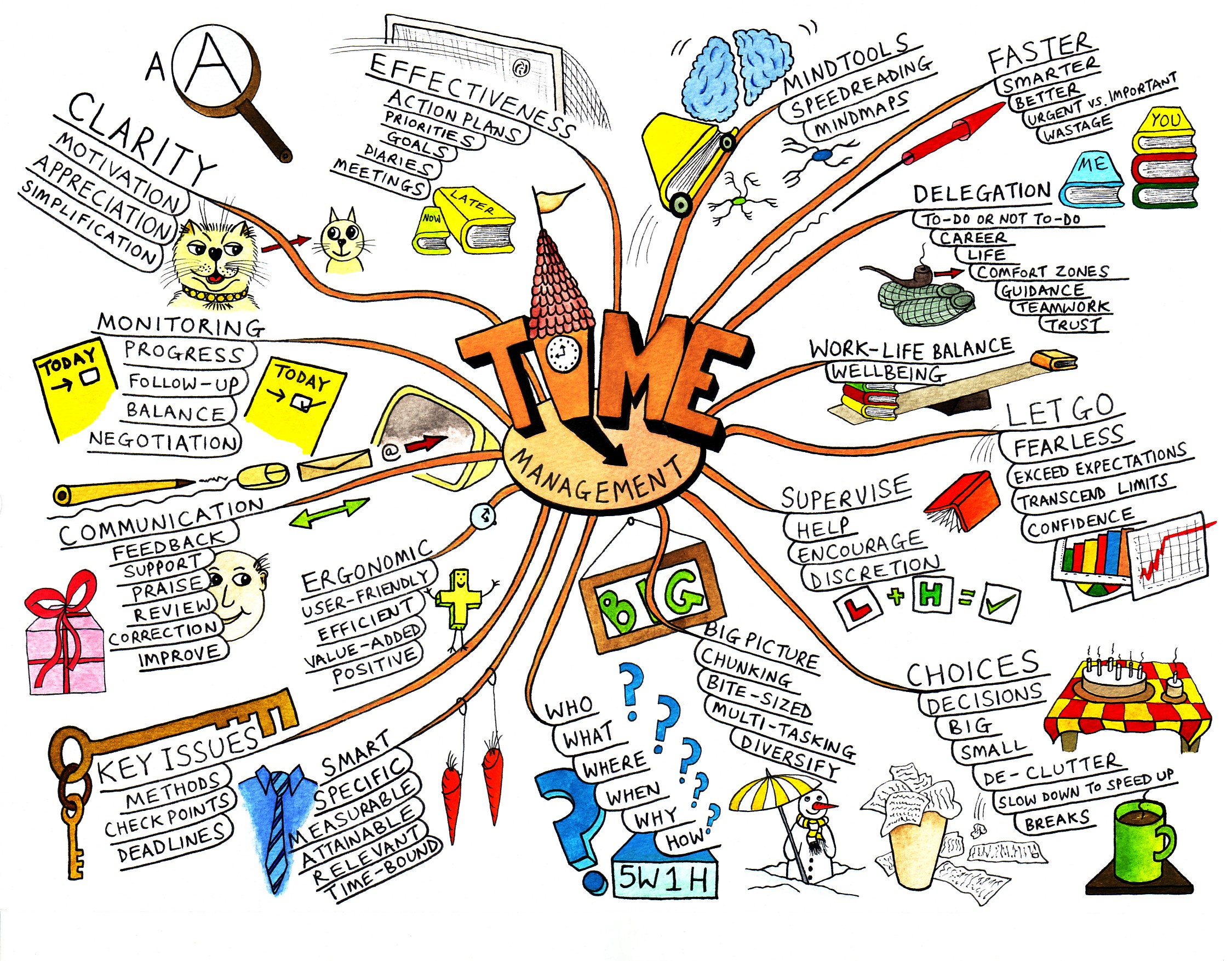
the concept map will be a quick two-week graded project, due monday march 24. it will serve as the origin for the remainder of your project work, so work to make it a thorough and all-inclusive idea space, but remember it is subject to revision as you learn more about your project and conferences in general.
Subscribe to:
Posts (Atom)